Skip to content
Summarize with
Homeowners generally need to repaint a house exterior every five to ten years, while interior spaces often require a fresh coat every three to seven years. The specific timeline depends heavily on the surface material, the quality of the previous paint job, and the local climate. For example, wood siding requires more frequent maintenance than fiber cement or brick.
Staying ahead of paint degradation prevents moisture from seeping into building materials, which avoids expensive structural repairs. This guide provides an authoritative look at the technical signs of paint failure and the factors that dictate the lifespan of a residential finish. Professional experience in home maintenance shows that waiting for paint to visibly fall off usually means the underlying surface has already begun to deteriorate.
Typical Paint Lifespan by Surface Material
The material on the outside of a building dictates the maintenance schedule. Different substrates hold pigment and binder differently, leading to varying levels of durability. Wood is the most demanding material because it expands and contracts significantly with temperature changes. This movement stresses the paint film, causing it to crack or flake over time.
According to technical guides from Sherwin-Williams, certain materials like fiber cement siding can hold paint for up to 15 years due to their stability. In contrast, stucco is porous and may require a refresh every five to six years to maintain its moisture barrier and aesthetic appeal.
| Surface Material | Average Lifespan | Key Maintenance Indicators |
| Wood Siding | 3 to 7 years | Cracking, peeling, or wood rot |
| Aluminum Siding | 5 to 10 years | Chalking or significant fading |
| Stucco | 5 to 6 years | Hairline cracks and water staining |
| Fiber Cement | 10 to 15 years | Color loss or brittle caulking |
| Brick (Painted) | 15 to 20 years | Mortar erosion or paint bubbling |
Primary Indicators That It Is Time To Repaint
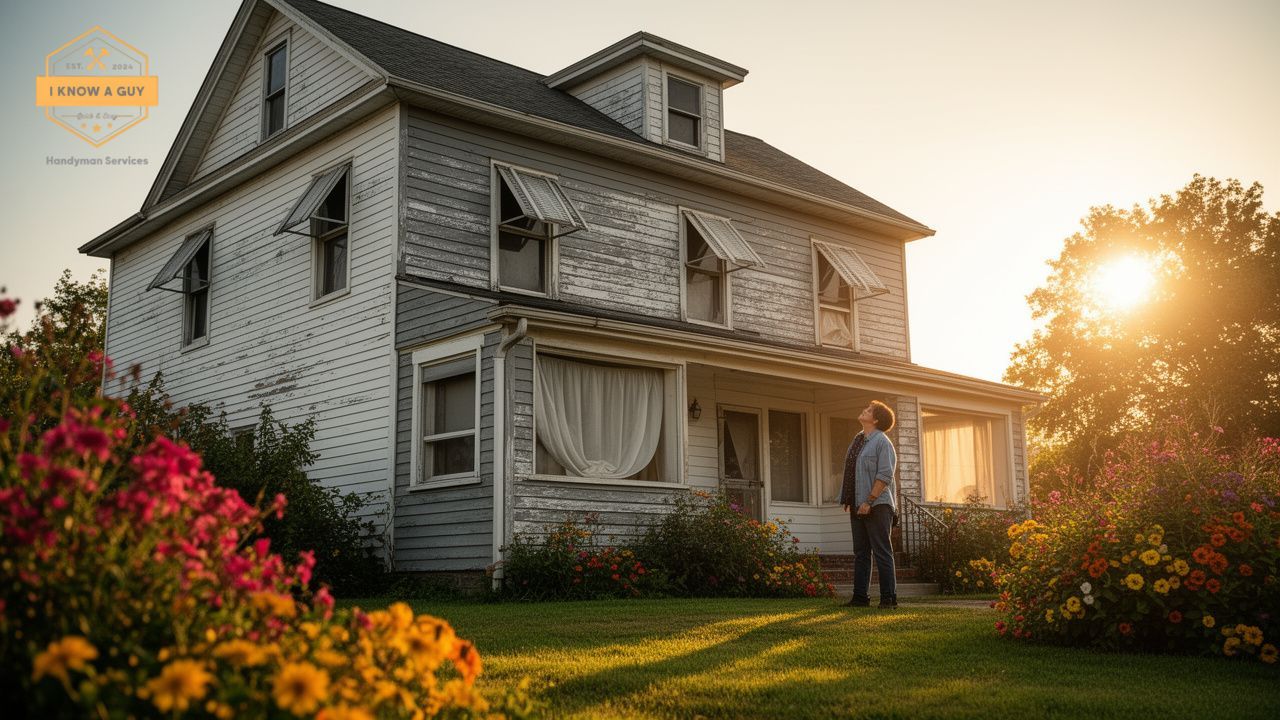
Visible damage is the most obvious signal that a property needs attention. When the protective seal of the paint breaks, the house becomes vulnerable to the elements. Peeling paint signs often start in small, inconspicuous areas like the underside of window sills or near the ground where splash-back occurs. Once peeling begins, the edges of the remaining paint are exposed to wind and water, which accelerates the failure.
Faded wall paint is another major indicator. UV rays from the sun break down the chemical bonds in the paint pigment. While fading might seem like a cosmetic issue, it actually signals that the paint film is thinning. As the film thins, it loses its ability to repel water. On the interior, fading is most common in rooms with large windows or heavy sunlight exposure.
Bonus Tip for Homeowners
To check if the paint has started to break down before it peels, run a hand across the surface. If a powdery residue comes off on the skin, the paint is chalking. This means the binder is disintegrating, and the protective layer is almost gone.
Environmental Factors in the Pacific Northwest
While general guidelines are helpful, regional weather patterns play a massive role in how often you should repaint your house. In areas with high humidity and frequent rainfall, such as the Pacific Northwest, moisture is the primary enemy. If moisture gets trapped behind the paint layer, it causes bubbling and blistering. This is especially common in wood-sided homes where the wood breathes.
If a house lacks proper gutter systems or has overgrown vegetation touching the walls, the paint will fail much faster. Darker colors also tend to absorb more heat, which can lead to more rapid fading and thermal expansion issues compared to lighter shades. Because of these challenges, maintenance cycles in damp climates are usually shorter than in dry, temperate regions.
Interior Paint Lifespan and High Traffic Areas
Interior paint generally lasts longer than exterior paint because it is not exposed to harsh weather. However, daily wear and tear dictate the schedule for indoor projects. Hallways, kitchens, and bathrooms are high-traffic zones that usually need repainting every three to four years. These areas face frequent touching, moisture from steam, and the occasional scrub-down, which wears away the finish.
Bedrooms and dining rooms often last much longer, sometimes up to a decade, if the color remains desirable. A study on home improvement trends from the National Association of Realtors indicates that interior painting is one of the most cost-effective ways to improve a home’s feel and value before a sale.
Things to Consider Before Starting a Project
Before hiring residential painting services, property owners should evaluate the condition of the substrate. If the wood is rotting or the stucco is crumbling, applying new paint will not fix the problem. The surface must be sound, clean, and dry.
- Surface Preparation: Most paint failures occur because of poor prep work rather than poor paint quality. Scraping, sanding, and priming are mandatory steps.
- Paint Quality: High-quality acrylic latex paints cost more upfront but last years longer than economy brands.
- Time of Year: Exterior painting requires specific temperature and humidity windows. Painting in the rain or in freezing temperatures will lead to immediate failure.
- Caulking Condition: Check the seals around windows and doors. If the caulk is cracked, it must be replaced before the paint goes on.
Common Questions About House Painting
Homeowners often ask if they can simply paint over old, peeling layers. The answer is almost always no. New paint will only stick as well as the layer beneath it. If the old paint is lifting, the new paint will lift right along with it. Thorough removal of loose material is the only way to ensure a lasting finish.
Another frequent question involves the number of coats required. While some products claim to be “one-coat” solutions, professional painters almost always recommend two coats for better depth of color and a thicker protective barrier. This is especially true when switching from a dark color to a light one or vice versa.
Bonus Tip for Longevity
Wash the exterior of the house every year using a low-pressure garden hose and a soft brush. Removing dirt, salt, and bird droppings prevents these substances from eating into the paint film and extends the life of the finish by several years.
Direct Answers to Frequent Concerns
Is it okay to paint a house in the winter?
Interior painting is perfectly fine in the winter as long as the building is heated. Exterior painting is much more difficult. Most paints require temperatures to stay above 35 or 50 degrees Fahrenheit for at least 48 hours to cure properly. If the temperature drops too low or the air is too damp, the paint will not bond.
How much value does a fresh coat of paint add?
According to data found in the Remodeling Impact Report by the National Association of Realtors, clean, updated paint can significantly increase the appeal to buyers and can provide a high return on the initial investment. It makes a home look well-maintained, which builds trust with potential purchasers.
Does the type of paint finish matter for durability?
Yes. Gloss and semi-gloss finishes are more durable and easier to clean than flat or eggshell finishes. This is why gloss is preferred for trim and bathrooms, while flat finishes are used for ceilings and low-traffic walls to hide imperfections.
Summary of Maintenance Timelines
Maintaining a property requires a proactive approach to repainting home exterior and interior surfaces. Wood surfaces generally need attention every three to seven years, while more durable materials like fiber cement can wait over a decade. Interior spaces should be evaluated based on traffic and usage, with kitchens and baths needing more frequent updates. Identifying house painting signs like chalking, fading, or peeling early can save thousands of dollars in wood replacement or siding repairs.
Homeowners should monitor their property annually for small changes in the paint surface. Addressing minor issues before they become widespread ensures the home remains protected against the elements. Choosing the right time and the right materials is the foundation of a successful painting project.
Professional Maintenance Support
When property owners notice peeling paint or fading, taking action quickly is the best way to preserve the building. For those in the Portland area seeking expert help, I Know A Guy Handyman Services LLC offers comprehensive support for various home maintenance needs. Reach out to discuss specific project requirements or to schedule a consultation by calling (503) 332-7073. For written inquiries and detailed project descriptions, send an email to Iknowaguy.oregon@gmail.com. I Know A Guy Handyman Services LLC focuses on high-quality results for every home.
Sources
- Sherwin-Williams – Technical details regarding paint lifespans on various exterior substrates and materials.
- National Association of Realtors – Market data regarding the value and return on investment for residential painting and remodeling projects.
- Consumer Reports – Independent research on the durability and performance of different paint brands and types over time.